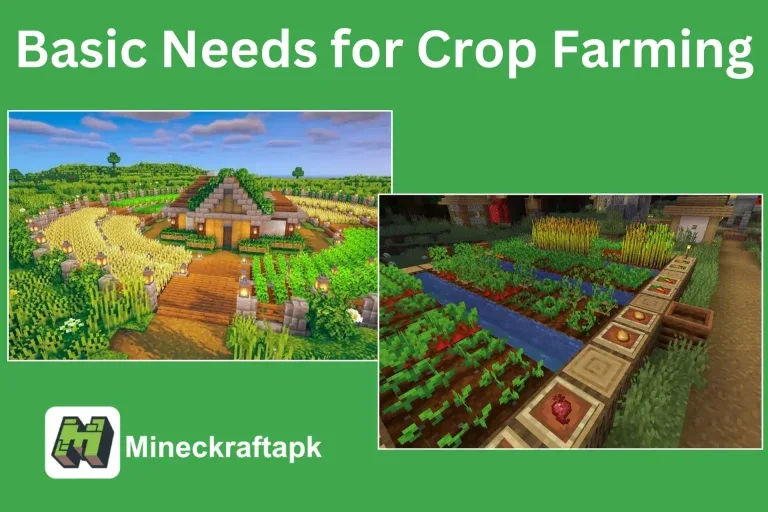
Crop farming is a core activity in Minecraft, providing food, resources, and trading opportunities. Whether you're a beginner or a seasoned player, understanding the fundamentals can help you build a thriving farm. This guide covers the essential needs, crop varieties, farming methods, and practical steps to get you started.
Basic Needs for Crop Farming
To grow crops, you need four key elements: farmland, water, seeds, and light. Farmland is created by using a hoe on grass or dirt blocks. Water is essential for hydration; place a water source within four blocks of your farmland to keep it moist. Seeds are obtained from various sources, such as breaking grass or finding them in chests. Light, whether from sunlight or torches, is necessary for growth. Additionally, protect your farm from mobs and animals by building a fence.
Crops You Can Grow
Minecraft offers a variety of crops, each with unique uses:
- Wheat: Used for bread, animal feed, and trading with villagers.
- Carrots: Breed rabbits and pigs, and craft golden carrots.
- Potatoes: A good food source, especially when baked.
- Beetroots: Found in villages and dungeons; used for soup and red dye.
- Melons: Grown from seeds; used in brewing and healthy products.
- Pumpkins: Craft pumpkin pies, faces, and golems.
- Sugarcane: Grows near water; used for sugar and paper.
- Cocoa Beans: Found in forests; used for brown dye and cookies.
- Nether Wart: Grows in the Nether; used in brewing potions.
Crop Farming Methods
There are several ways to farm crops, each suited to different needs:
- Manual Farming: Planting and harvesting by hand in small fields.
- Row Farming: Planting crops in rows to improve growth and production.
- Vertical Farming: Stacking farms to save space; works well for wheat, carrots, and potatoes.
- Villager-based Farming: Villagers plant and harvest crops, which can be used for trade.
- Automated Farming: Using redstone and pistons to harvest crops, saving time and resources.
Steps to Grow Crops
1. Soil Preparation: Use a hoe on grass or dirt to create farmland. Ensure it is hydrated and well-lit.
2. Planting Crops: Place seeds in the soil with proper spacing. Protect the area from mobs.
3. Watering and Crop Growth: Keep water within four blocks of farmland. Provide adequate light; each crop has its own growth time.
4. Harvesting: Collect crops when ready. Replant some for continuous harvests and store the rest for later use.
Advanced Farming Tips
- Keep soil hydrated and well-lit.
- Use torches for underground farms.
- Grow rare crops like cocoa beans, sugarcane, and beetroot.
- Apply bone meal to speed up growth.
- Use redstone for automatic farming.
- Try vertical farming to save space.
Conclusion
Crop farming in Minecraft is a rewarding endeavor that supplies food, resources, and trading goods. By meeting the basic needs and choosing the right methods, you can enjoy a bountiful harvest. Plant wisely and reap the benefits.
A People-First Guide to Crop Farming in Minecraft
Learn the basics of crop farming in Minecraft, including essential needs, crop types, farming methods, and tips for successful harvests.
Published 2025-03-18